Dental Tourism China: Cities, Costs, and Clinic Enquiries
Dental care in the US, UK, and Australia has reached a point where many patients are simply going without treatment. A single implant runs $3,000 to $5,000…
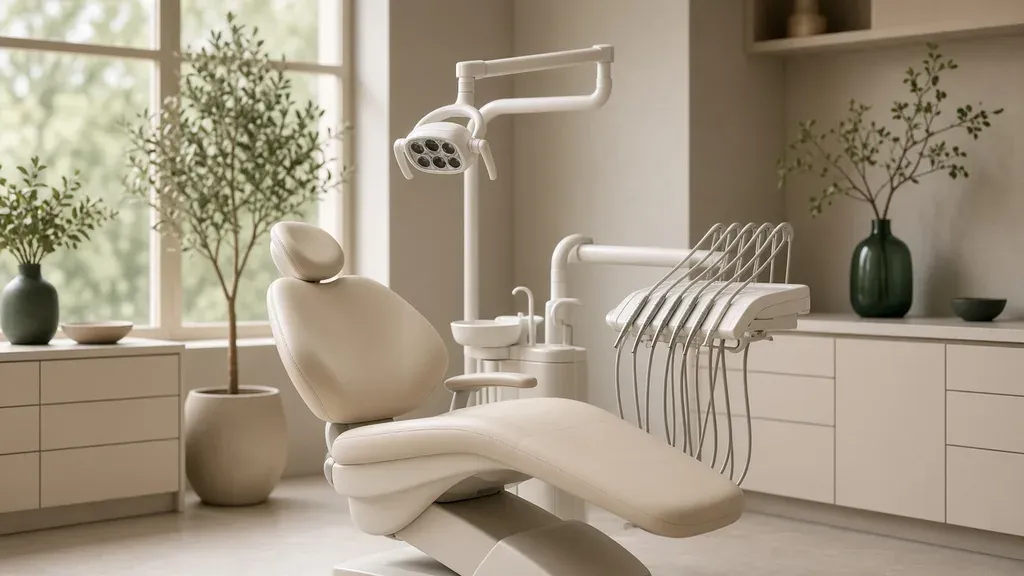
Compare written estimates for the full care plan, travel and follow-up before deciding.
This article covers which Chinese cities make the most sense for dental care, what procedures international patients most commonly seek, how hospital pricing works, and what the logistics actually look like on the ground.
Why China for Dental Work
Dental prices reflect differences in overhead, labor costs, funding and the treatment included. Major public hospitals may have several specialist departments, but facilities and clinical experience must be checked for the proposed treatment.
Compare the proposed dental team, treatment stages and aftercare arrangements in each city.
Costs are often substantially lower than in the US or UK; quotes vary by case.
Cities patients ask about for dental care in China
Not every Chinese city is equally well-positioned for international dental patients. The cities below combine major public hospital infrastructure, international patient departments, and practical logistics — direct international flights, visa access, and English-language support.
Beijing
Beijing is the most established destination for international medical care in China. Several of its major public hospitals maintain dedicated international patient departments with bilingual coordinators and streamlined intake processes. The stomatology (dental) departments at these hospitals handle complex cases — full-arch implants, bone grafting, orthognathic surgery — alongside routine procedures.
For patients combining dental work with a broader health checkup, Beijing is particularly efficient. The city’s hospital infrastructure means you can often schedule multiple procedures or consultations within a single trip. The guide on comparing dental implant and health check costs in Beijing goes into the specifics of what that kind of combined visit looks like.
Shanghai
Shanghai attracts patients who want major city infrastructure alongside their medical care. Its major public hospitals are well-resourced, and the city’s international connectivity — direct flights from most major hubs in North America, Europe, and Southeast Asia — reduces travel complexity. Shanghai’s stomatology departments are strong across cosmetic and restorative dentistry, and its international patient services have matured significantly over the past decade.
Chengdu
Chengdu has emerged as a serious option for patients who want lower costs without sacrificing hospital quality. Compare the specific hospital department and a written treatment estimate, along with accommodation, transport and follow-up costs. Chengdu also has direct international routes from several Asian hubs, making it accessible for patients traveling from Southeast Asia or Australia.
Guangzhou and Shenzhen
For patients traveling from Southeast Asia or Hong Kong, Guangzhou and Shenzhen are the most practical entry points. Both cities have major public hospitals with active international patient departments, and the proximity to Hong Kong means some patients combine a short border crossing with their dental appointment. Shenzhen in particular has seen growth in international dental patients over the past several years, driven partly by its geographic position and partly by the quality of its hospital infrastructure.
Procedures Most Commonly Sought
Dental tourism in China covers a wide range of procedures. The most common among international patients fall into three categories.
Dental Implants
Implants are the single most common reason international patients travel to China for dental work. The cost gap is substantial, and the clinical pathway is well-established at major public hospitals. A standard implant involves placement of a titanium post, a healing period for osseointegration — the process by which the implant fuses with the jawbone, typically three to six months — and then placement of the crown.
That timeline matters for planning. Most patients make 2 trips: one for implant placement and any necessary bone grafting, and a second for crown fitting after osseointegration is confirmed. Some patients use the gap between trips to schedule other procedures or health screenings. For a detailed breakdown of the implant process and what it costs at major public hospitals, the dental implants in China cost and process guide covers each stage.
Crowns and Veneers
Porcelain crowns and veneers are high-volume procedures at Chinese dental departments. The cost difference versus Western pricing is significant, and turnaround time is generally faster than in countries where lab work creates scheduling backlogs. Patients often combine crown or veneer work with other procedures during the same trip.
Full-Mouth Reconstruction
For patients who need extensive restorative work — multiple implants, crowns, extractions, and gum treatment — a full-mouth reconstruction in China can represent savings of tens of thousands of dollars compared to the same treatment plan in the US or Australia. These cases require careful pre-treatment planning, and the staging of procedures across one or two trips needs to be mapped out before travel is booked.
Orthodontics
Clear aligner treatment and traditional braces are available at major public hospitals at significantly lower cost than in Western markets. The practical consideration is that orthodontic treatment runs over months or years, which makes it less suited to a single trip. Some patients begin treatment in China and continue with a local provider at home, using the Chinese hospital for initial fitting and periodic adjustments during return visits.
Root Canals and Extractions
Patients who need urgent restorative work — root canals, extractions, or treatment for acute infections — sometimes combine that with more elective procedures during the same trip. These are straightforward procedures at major public hospitals, and the cost savings, while smaller in absolute terms than implant savings, are still meaningful.
How Hospital Pricing Works in China
Request an itemised written estimate directly from the hospital. Consultation with Sino RX is free. Our separate coordination fee starts at $190 depending on scope and is quoted in writing before you commit. Patients pay hospital fees directly to the hospital.
Ask for separate line items for hospital treatment, interpretation, travel and coordination. Consultation is free. Our coordination fee is quoted in writing before you commit, so you can include it in the total comparison.
For a like-for-like comparison, the dental implant cost guide explains how to compare written quotes, treatment stages, travel and aftercare.
What the Logistics Actually Look Like
The practical side of dental tourism in China is where most patients have questions. The process coordinated through Sino RX is structured to reduce the friction that makes independent medical travel difficult.
Case screening. You submit your case — dental records, X-rays, a description of what you need — for a free screening. Sino RX reviews the case and matches you to a specialist at a verified major public hospital. You receive an itemized quote before any travel is booked.
Visa invitation letter guidance. China’s visa requirements for international patients are manageable, and Sino RX provides support for the documentation process. Medical visa applications are distinct from tourist visa applications and have their own requirements.
Bilingual accompaniment and travel coordination. Confirm the scope and availability before booking. You are not navigating a foreign hospital system alone.
Post-treatment follow-up. After you return home, remote follow-up is available for questions about healing, complications, or next steps. For multi-trip procedures like implants, the coordination continues through the second visit.
Who This Works Enquiries to Make — and Who Should Think Carefully
Dental tourism in China is not the right answer for every patient. It is worth being direct about that.
It may suit patients who need high-cost procedures — implants, full-mouth reconstruction, multiple crowns — where the savings are large enough to justify international travel. It also works well for patients already traveling to China for other reasons, or for those based in Southeast Asia or East Asia with relatively short travel times.
It is less straightforward for patients who need ongoing orthodontic treatment requiring frequent adjustments, or for patients with complex systemic health conditions that require close coordination between dental and medical teams. In those cases, the logistics of international travel add complexity that may outweigh the cost benefit.
For patients who need a single routine procedure — one filling, one extraction — the math rarely works unless the trip is combined with other procedures or a health screening.
The complete guide to medical tourism in China for US patients covers the broader decision framework for patients weighing whether China is the right choice for their specific situation.
Selecting a Hospital: What to Check for Dental Care
Hospital accreditation evaluates an institution. For dental care, also review the treating dentist’s qualifications, experience with your procedure, imaging facilities and infection control protocols.
For dental patients, that matters in specific ways. Bone grafting procedures require sterile surgical environments and access to imaging — CBCT (cone beam computed tomography) scanning is standard at major public hospitals and gives surgeons a three-dimensional view of jaw structure before implant placement. That kind of imaging is not universally available at standalone dental clinics, even in Western markets.
Ask how the hospital manages complications, including emergency care, specialist referral and support after you return home. The services available vary by institution and department.
The Decision Is Practical, Not Exotic
Costs are often substantially lower than in the US or UK; quotes vary by case. Compare the complete trip cost, treatment plan and follow-up arrangements before deciding.
The cities, the hospitals, and the coordination infrastructure exist. The question is whether your specific situation makes the trip worthwhile.
For a closer look at how Sino RX structures the process — from initial case screening through post-treatment follow-up — visit chinamedicaltour.com.
Frequently Asked Questions
Is dental care in China safe for international patients?
Hospital accreditation alone does not establish whether a dental department is suitable for your case. Verify the dentist’s credentials, infection control arrangements, treatment plan and follow-up support directly.
How many trips do I need for dental implants in China?
Most implant patients need 2 trips. The first covers implant placement and bone grafting if required. Osseointegration — the process by which the titanium post fuses with the jawbone — takes three to six months. The second trip covers crown fitting once osseointegration is confirmed by imaging. Some patients use the gap between trips to schedule other procedures or health screenings.
Which city in China is suitable for dental work?
Beijing and Shanghai are the most established for international patients, with dedicated international departments and direct long-haul flights from most major hubs. Chengdu also has major public hospitals; compare the relevant department and total trip cost for your case. Guangzhou and Shenzhen are most practical for patients traveling from Southeast Asia or Hong Kong.
Can I combine dental work with other medical procedures in China?
Yes, and many patients do. Major public hospitals in Beijing and Shanghai run multiple specialist departments, so it is practical to schedule a health checkup, an eye procedure, or an orthopedic consultation alongside dental work during the same trip. Sino RX coordinates scheduling across departments.
How does Sino RX handle the language barrier?
Bilingual accompaniment and travel coordination can be arranged; confirm the scope and availability before booking. You are not navigating the hospital independently. Post-treatment remote follow-up is also available in English.
What documents do I need to bring for dental treatment in China?
Bring recent dental X-rays or CBCT scans if you have them, a summary of your dental history, and any records of previous implants, crowns, or surgical procedures. Sino RX reviews your case before travel and will specify exactly what documentation the receiving hospital needs.
Is dental tourism in China worth it for a single procedure?
Ask the chosen hospital to confirm its department, clinician credentials, complication plan and follow-up for your case. Sino RX provides non-clinical coordination; the hospital determines suitability and care.
Request a free consultation
Tell us your treatment goal and preferred language. A coordinator usually replies within 1–2 business days. Consultation is free; we only charge a coordination fee if you book our coordination service.
Coordination from $190, confirmed in a written quote
Request a free consultation